How NFC Cards Are Useful for Beauty Parlours & Salons
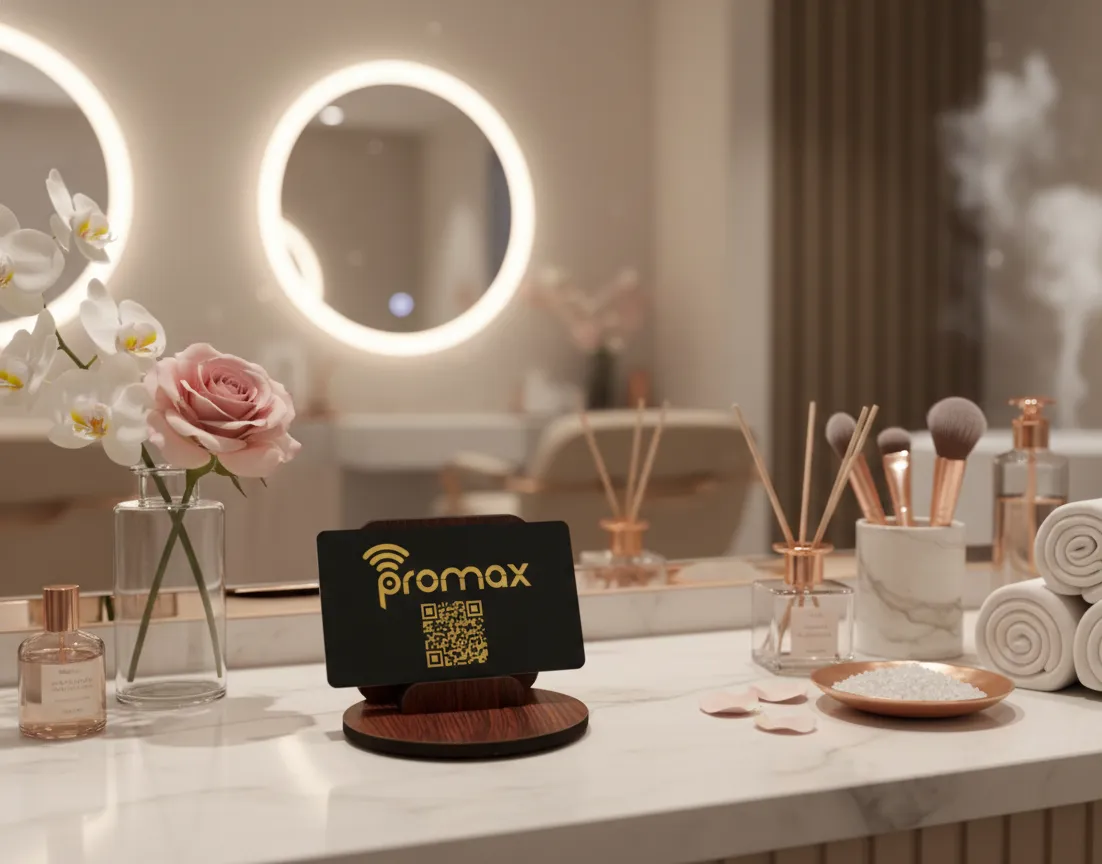
How NFC Cards Are Useful for Beauty Parlours & Salons
30-01-2026
How NFC Cards Are Useful for Beauty Parlours & Salons
In today's fast-paced world, beauty parlours and salons in India and across Gujarat are always seeking smart ways to stand out. One game-changing tool is NFC cards—small, tap-enabled cards using Near Field Communication (NFC) technology. These aren't just trendy gadgets; they're practical for enhancing customer experience, loyalty, and operations. If you're wondering how NFC cards are useful for beauty parlours and salons, this guide breaks it down with real-world benefits, making them ideal for local businesses handling high footfall.
What Are NFC Cards and How Do They Work in Salons?
NFC cards are thin, credit-card-sized chips that store data and communicate wirelessly when tapped on an NFC-enabled smartphone (like most Androids or iPhones post-iOS 11). No apps or internet needed for basic use—just a quick tap.
In a beauty parlour context, salons embed customer details, loyalty points, or promotions on these cards. A client taps their card at reception, and the salon's POS system instantly pulls up their history: past services like hair coloring in India's humid climate, allergies, or preferred stylists. This seamless tech replaces paper loyalty cards or manual logs, reducing errors in busy Gujarat salons during peak wedding seasons.
Why it matters locally: India's beauty parlours often serve Navratri crowds or corporate clients. NFC cards useful for beauty parlours cut wait times, impressing time-strapped professionals from areas like SG Highway or Maninagar.
Key Benefits of NFC Cards in Beauty Parlours and Salons
1. Boost Customer Loyalty with Effortless Programs
Traditional punch cards get lost, but NFC cards useful for beauty parlours track visits digitally. Program it for "buy 5 haircuts, get 1 free" – tap to add points automatically. Clients love the convenience; salons see 20-30% repeat visits, per industry studies from similar markets.
In Gujarat, where word-of-mouth drives salon traffic, personalized NFC rewards (e.g., "10% off keratin treatment") build lasting bonds without spammy SMS.
2. Streamline Appointments and Reduce No-Shows
Link NFC cards to booking apps. Clients tap to confirm slots or reschedule via their phone. Salons get instant reminders, slashing no-shows by up to 40%. For India salons juggling bridal packages, this means better scheduling around festivals like Uttarayan.
NFC technology for beauty salons also enables contactless check-ins, vital post-pandemic for hygiene-conscious clients in crowded parlours.
3. Personalize Services for Repeat Business
Store preferences on the card: "Uses ammonia-free color" or "Sensitive scalp – mild shampoo." Stylists access this in seconds, delivering tailored services that wow clients. This personalization turns one-time visitors into regulars, especially in competitive Gujarat markets.
Data shows personalized experiences increase satisfaction by 25%, making benefits of NFC cards in salons a loyalty multiplier.
4. Enhance Marketing Without Intrusiveness
NFC cards double as mini-billboards. Tap reveals exclusive offers, like "Gujarat summer special: Hydrating facials." Salons update content remotely via cloud-linked readers. Track taps to measure engagement—far better than flyers littering India streets.
It's GEO-smart: Target local events, e.g., "Diwali glow-up discount," fostering community ties without hard sells.
5. Improve Operations and Inventory Management
For back-end efficiency, staff tap cards to log products used (e.g., 50ml conditioner per session). This automates inventory, preventing stockouts of popular Gujarat favorites like herbal oils. Small parlours save hours weekly on paperwork.
How NFC cards improve salon customer loyalty extends here—happy staff means better service.
Real-World Examples: NFC Cards in Action for Salons
Consider a mid-sized salon in India's Satellite area. Before NFC, loyalty programs flopped due to lost cards. After adopting NFC cards, they saw 35% more repeats. Clients tap for history, earning points for mani-pedis; the salon taps for quick billing.
Globally, chains like Drybar use NFC for seamless loyalty. In India, urban salons in Mumbai and Delhi report similar wins—proof NFC cards are useful for beauty parlours scales from Vastrapur to Vadodara.
Getting Started with NFC Technology for Beauty Salons
Implementation is simple and affordable:
- Choose writable NFC cards (NTAG213 chips work best for salons).
- Pair with an NFC reader (₹500-2000) connected to your POS or free apps like NFC Tools.
- Encode data securely—no personal info stored, just service codes for privacy.
- Train staff in 30 minutes; clients adapt instantly.
Pro tip for Gujarat salons: Start small with 100 cards for VIP clients. Test during off-peak to refine.
Challenges and Solutions for NFC Adoption in Salons
Not all phones have NFC (older models don't), but 70% of Indian smartphones do, rising yearly. Solution: Offer QR backups.
Cost? Initial setup under ₹10,000 for 200 cards—pays off in months via loyalty gains.
Security concerns? Use encrypted cards; comply with India's DPDP Act for data protection.
Why NFC Cards Are the Future for Beauty Parlours in India
As digital natives flock to Gujarat's beauty scene, benefits of NFC cards in salons like frictionless loyalty and personalization give local parlours an edge. They future-proof operations amid rising competition from apps like UrbanClap. No more paper trails—just taps that delight clients and streamline your day.
In summary, how NFC cards are useful for beauty parlours and salons boils down to smarter loyalty, efficiency, and personalization. India salons embracing this tech today will thrive tomorrow.